Why CSR is now a competitive advantage.
Rising consumer awareness, sustainability mandates and supply-chain transparency have moved corporate social responsibility from optional to essential.
Consumers are paying for the conditions in which goods are made.
With rising consumer awareness of environmental and labour practices, CSR has shifted from a public-relations exercise to a strategic imperative. Buyers will pay more for goods produced ethically, and walk away from those that aren't.
While creating economic value for shareholders, companies are now expected to consider their impact on workers, communities and the environment. CSR-aligned operations create lasting value under the broader umbrella of sustainable development.
Meeting CSR standards inevitably requires upfront investment. In the short term, this can erode a factory's traditional low-labour-cost advantage. But that advantage was always going to erode anyway, and the brands that move first capture the durable benefits.
CSR verification helps companies achieve four outcomes.
Transform competitiveness
CSR-aligned operations move companies up the value chain, beyond low-labour-cost competition.
Protect brand & reputation
Consistent compliance protects the social and brand image companies have spent decades building.
Win international consumers
Buyers increasingly choose brands whose supply chains they can stand behind.
Maximise market share
Compliant suppliers gain access to a wider, more durable buyer base.
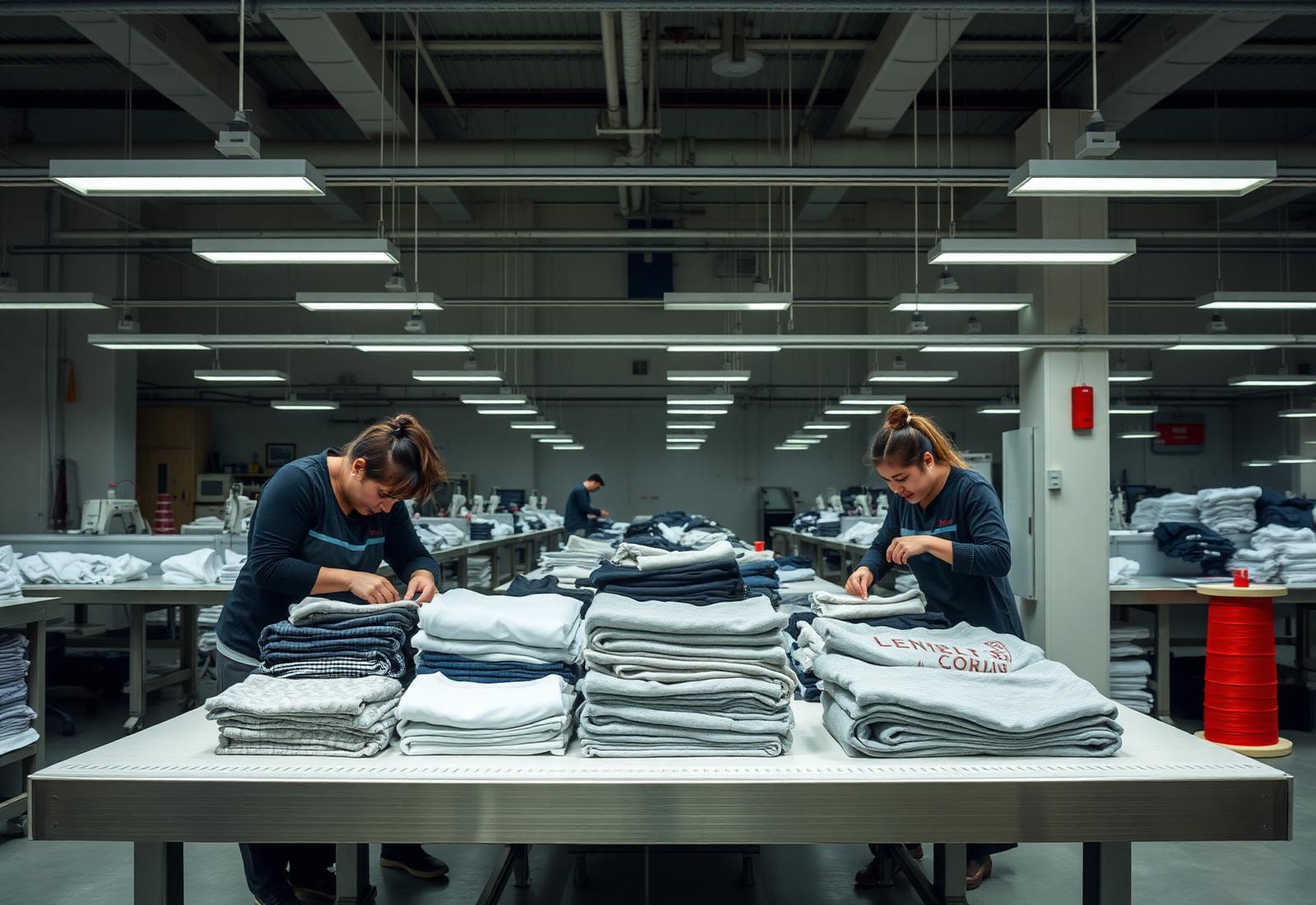
CSR verification reduces risk across the entire procurement chain.
Independent social-compliance auditing lets buyers and brands select factories with lower social-responsibility risk and avoid those with higher risk. The result: fewer consumer complaints, reduced exposure to adverse media, and an industry that, in aggregate, becomes more valuable.